Institutional biography · 1916–present

The Institution

The story of an educational experiment that began with twelve students in Calcutta and developed into a public Ayurvedic medical college, teaching hospital, and enduring institutional legacy.

Chapter 01 · Before 1916

An idea for a different kind of college

Before Ashtanga Ayurveda Vidyalaya became a building, a trust, or a teaching hospital, it began as an argument about how Ayurveda should be taught in a changing medical world.

The educational problem

From individual apprenticeship to organised medical education

Ayurvedic knowledge had traditionally passed from teacher to pupil through forms of personal apprenticeship, often within families or through the guru–shishya system. Jamini Bhushan Ray did not seek to discard that classical tradition, but he believed it was no longer sufficient by itself for the needs of modern medical education.

His own training had brought together Sanskrit scholarship, Ayurveda, and Western medicine. From that unusual combination emerged a different institutional idea: Ayurveda could retain its classical foundations while being taught through an organised curriculum, specialist instructors, practical clinical work, and hospital-based training.

Ayurvedic physicians and Western-trained doctors could participate in the same educational programme. Students would learn not only from texts and teachers, but through observation, clinical practice, and the organised facilities of a medical institution.
The idea becomes an institution

The educational model required a place, teachers, and students. In 1916, it acquired all three.

Chapter 02 · 1916

Twelve students, three teachers

On 14 April 1916, the educational idea took institutional form. Ashtanga Ayurveda Vidyalaya formally opened in a rented house at 29 Fariapukur Street in north Calcutta.

Formal inauguration

14 April 1916

First premises

29 Fariapukur Street Calcutta
12 Students
3 Teachers

The experiment begins

A college organised around access and clinical service

The first intake was deliberately small: twelve students taught by three teachers. Tuition, board, and lodging were provided without charge, making the new college not simply an educational venture but a philanthropic one.

Clinical service formed part of the institution from the beginning. A charitable dispensary operated alongside the college, connecting the teaching of Ayurveda with the treatment of patients and establishing a relationship between education and public medical service that would remain central to the institution's development.

Students Free tuition
Residential support Board & lodging
Clinical service Charitable dispensary
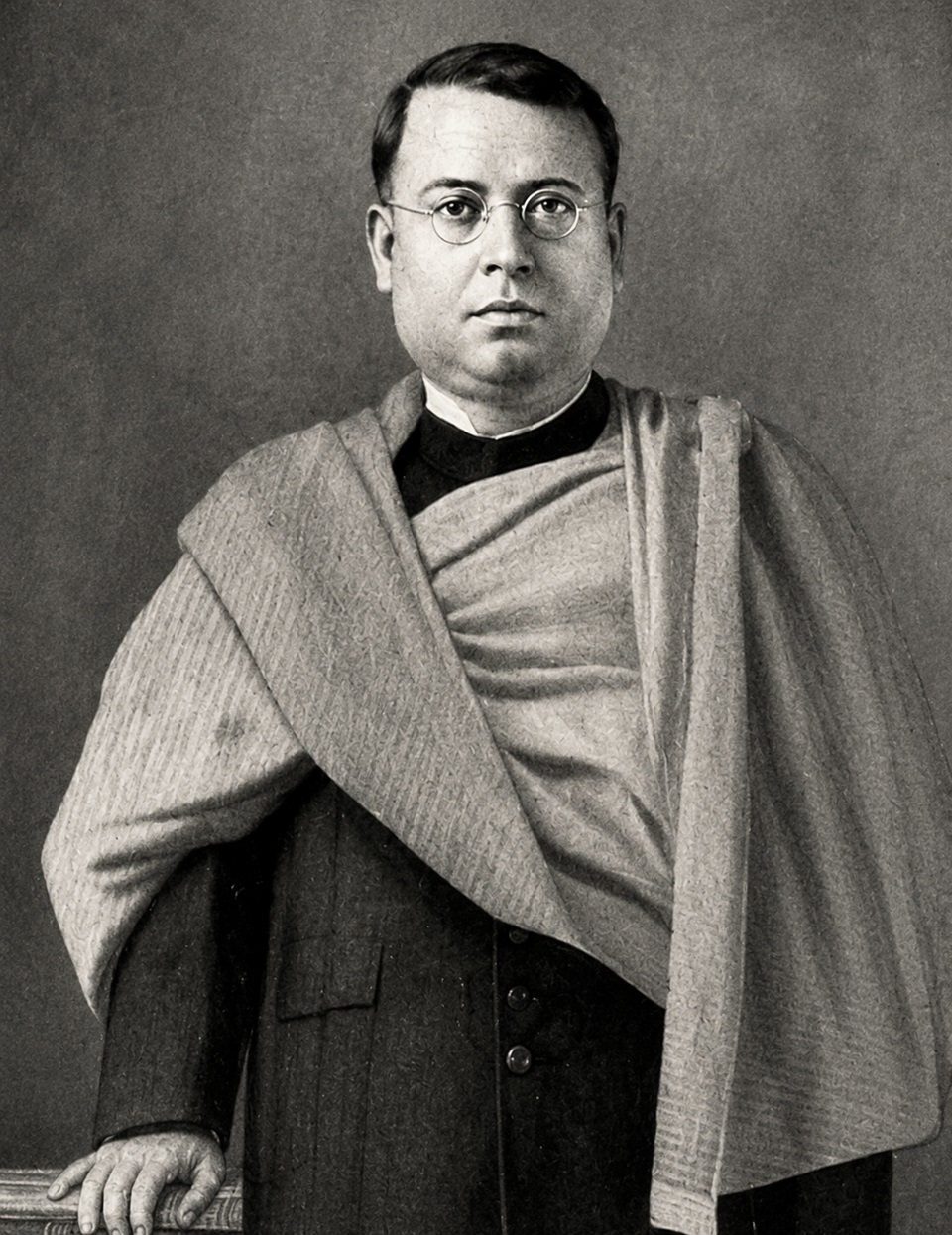
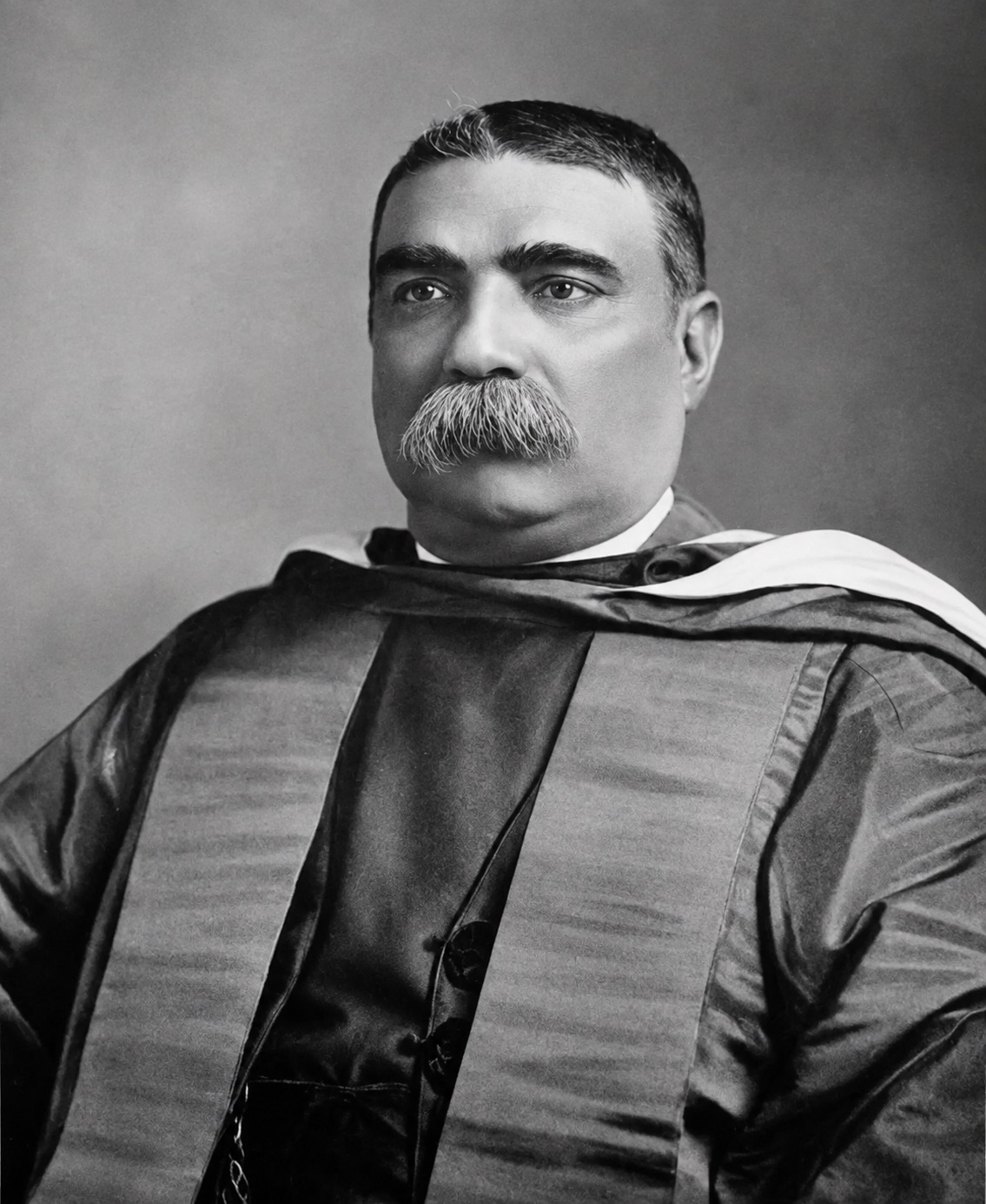
Portrait of Jamini Bhushan Ray
Founder Jamini Bhushan Ray The college translated Ray's combined experience of Sanskrit scholarship, Ayurveda, Western medicine, teaching, and charitable medical practice into an enduring institution.
1916 A philanthropic educational experiment
1919 A public charitable trust

Chapter 03 · 1919–1923

Becoming a public institution

Within a few years of its founding, Ashtanga Ayurveda Vidyalaya moved beyond the structure of a founder-led college. Public governance, growing clinical demand, and engagement with a government inquiry placed the institution within a wider medical and educational landscape.

1919 · Public trust

From personal initiative to institutional governance

In 1919, the college was reorganised under a public trust. Jamini Bhushan Ray continued as Principal, but responsibility for the institution now extended into a formal structure of trustees and committees.

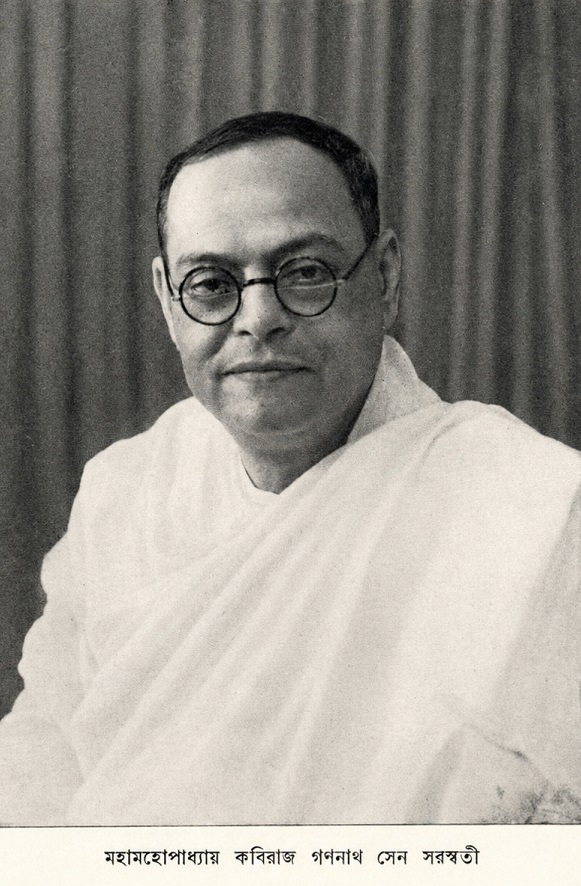
The eminent Ayurvedic physician Gananath Sen became Chairman of the first Working Committee, while Sir Ashutosh Mukherjee served as the first Chairman of the Board of Trustees.

This change was fundamental to the institution's survival. The college was no longer simply the educational project of its founder; it had acquired a governance structure capable of continuing beyond one individual.

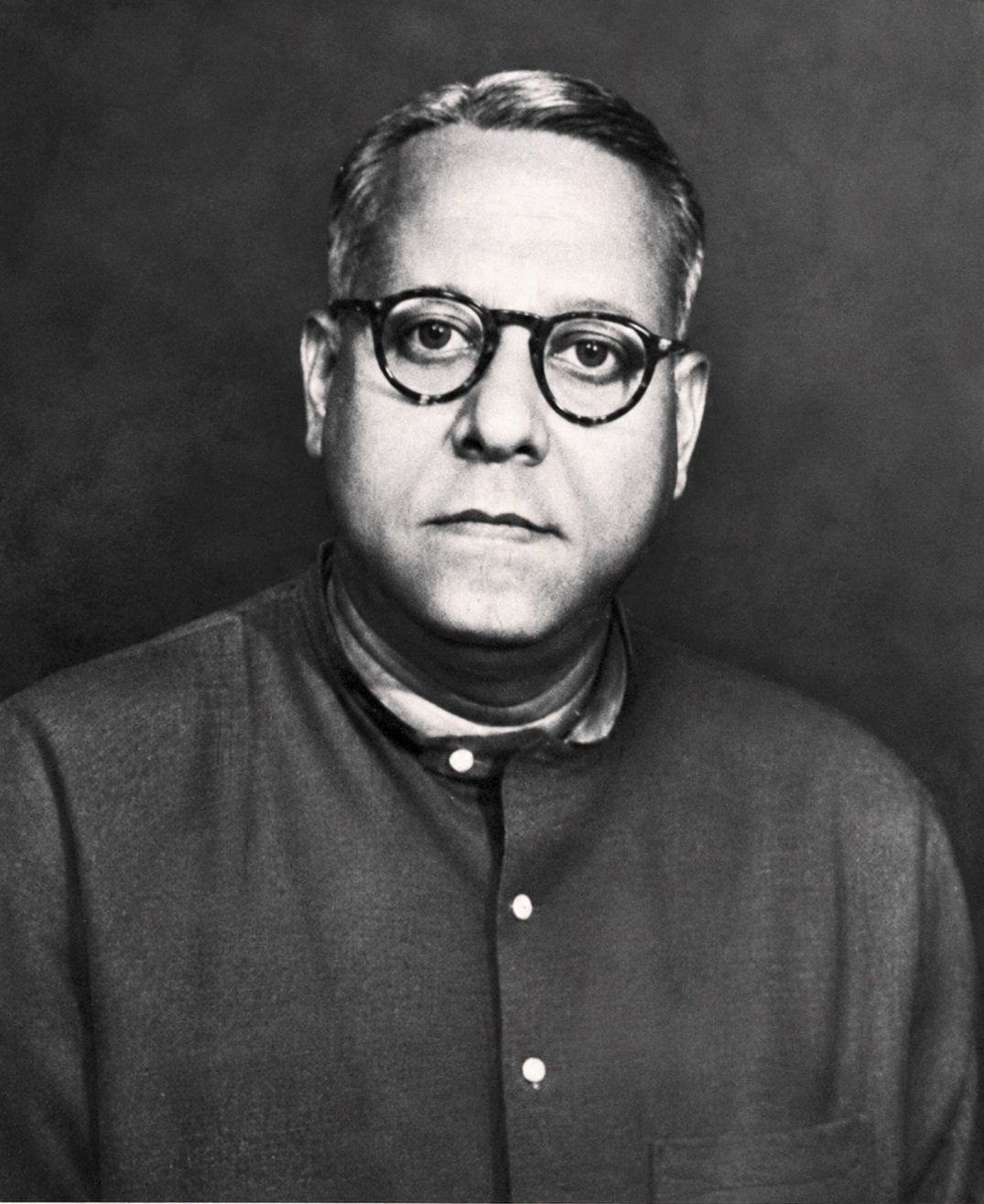
Portrait of Sir Ashutosh Mukherjee
Board of Trustees Sir Ashutosh Mukherjee First Chairman of the Board of Trustees
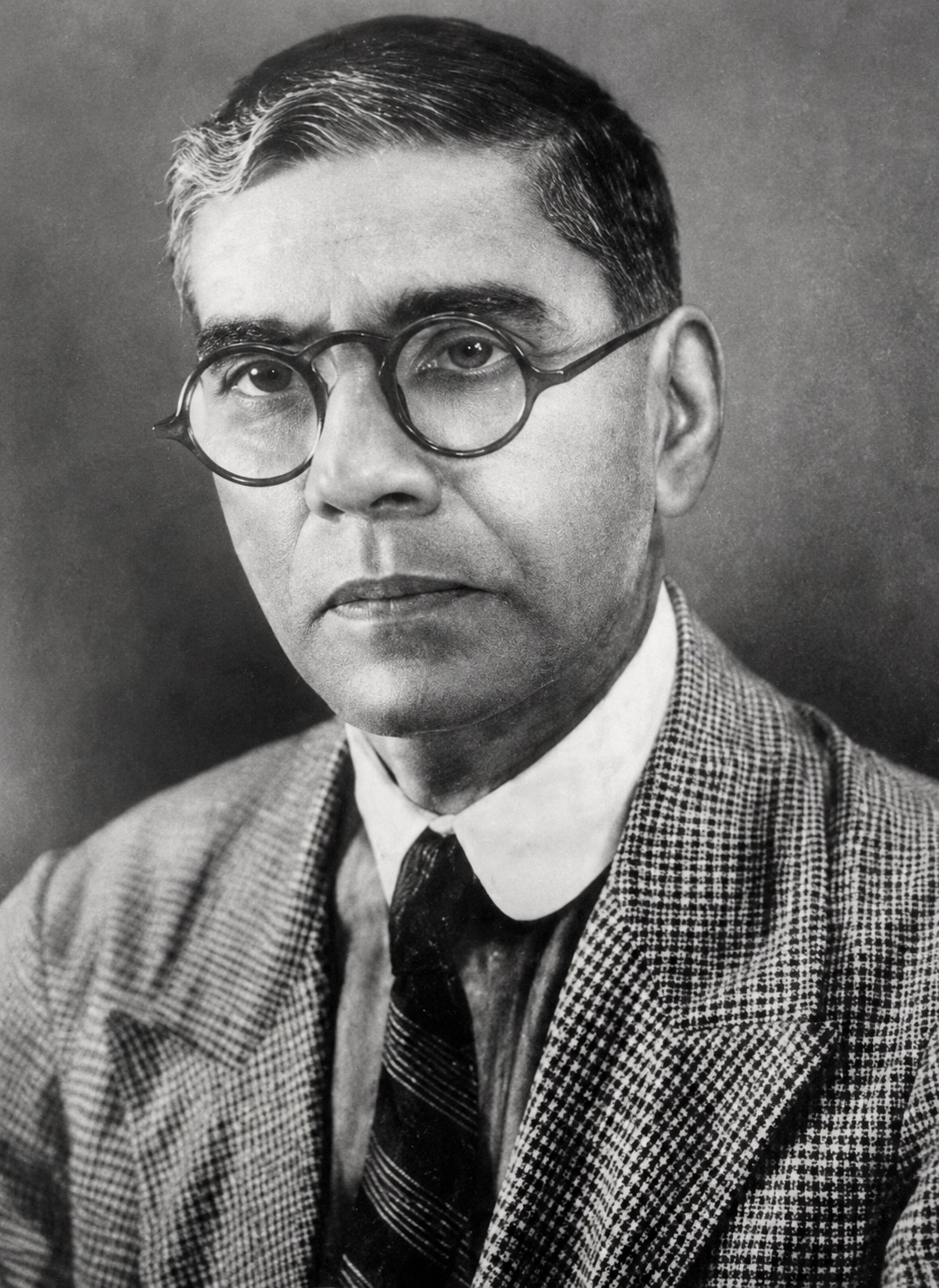
Portrait of Ayurvedic physician Gananath Sen
Working Committee Gananath Sen Chairman of the first Working Committee
Portrait of Jamini Bhushan Ray
Academic leadership Jamini Bhushan Ray Continued as Principal
More than 100 outpatients daily

Growth creates pressure

The first premises became too small

Growing public demand and the work of the charitable dispensary placed increasing pressure on the original Fariapukur premises. In 1921, the institution moved to larger accommodation on Shyamabazar Bridge Road, now R. G. Kar Road.

1916 29 Fariapukur Street 1921 Shyamabazar Bridge Road

Government inquiry

The college enters a wider debate about indigenous medicine

During the inquiry of the Madras Government's Committee on the Indigenous Systems of Medicine, a touring subcommittee visited Calcutta and inspected Ashtanga Ayurveda College.

Jamini Bhushan Ray submitted written evidence and was interviewed by the committee. Gananath Sen also gave evidence, and the committee's published report subsequently drew extensively on their testimony in its discussion of indigenous medical education, diagnosis, and treatment.

Institution
Ashtanga Ayurveda College inspected
Founder
Written evidence submitted by Jamini Bhushan Ray
Inquiry
Ray interviewed in Calcutta
Published report
Evidence of Ray and Gananath Sen cited extensively

The next institutional problem

Governance had been formalised and demand had outgrown two sets of premises. The institution now needed something more permanent.

1925

Chapter 04 · 1925–1927

A permanent home

After two moves in less than a decade, the institution began the transition from rented premises to a permanent campus of its own. The years 1925 to 1927 would bring public recognition, the death of its founder, and the completion of the new hospital.

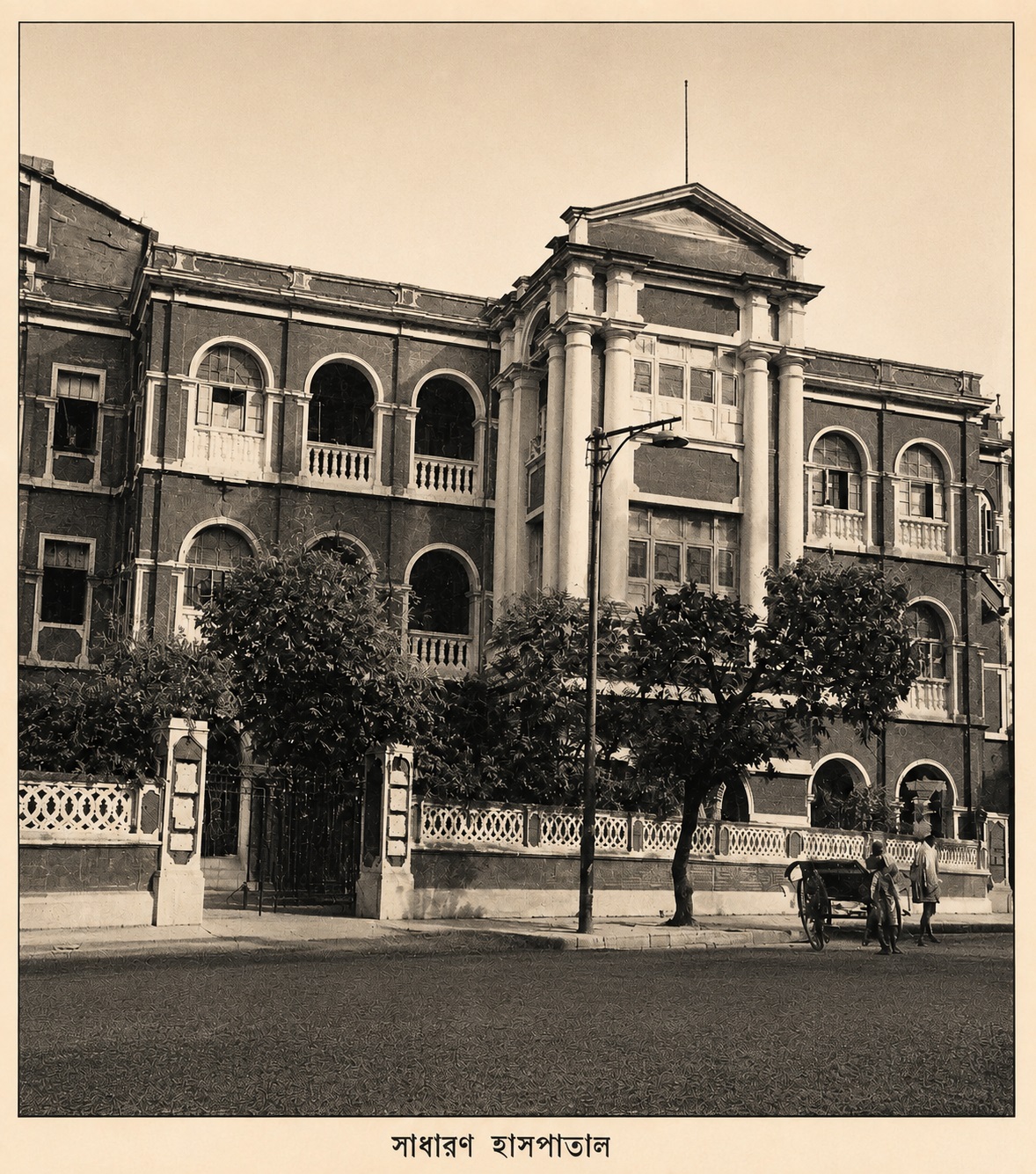
Historic view of the Raja Dinendra Street campus of Ashtanga Ayurveda Hospital in 1964
Raja Dinendra Street The permanent institutional campus Historic view from 1964 of the building whose foundation stone was laid by Mahatma Gandhi in 1925.
6 May 1925 Foundation stone

A national public moment

Gandhi lays the foundation stone

On 6 May 1925, Mahatma Gandhi laid the foundation stone of the new Ashtanga Ayurveda Vidyalaya building at Raja Dinendra Street. The ceremony marked a decisive step towards giving the college and hospital a permanent institutional home.

Gandhi used the occasion not for conventional praise, but for a searching address on medicine, professional ethics, scientific inquiry, and public service. He challenged Ayurvedic and Unani practitioners to reject exaggerated claims and commercialism while cultivating humility, truthfulness, and intellectual discipline.

For the institution, however, the ceremony also represented something more concrete: public recognition of a project that had begun nine years earlier with twelve students in a rented house.

Documentary record · 1964 Foundation and inauguration The commemorative booklet places Gandhi, who laid the foundation stone, beside Jatindra Mohan Sengupta, who later inaugurated the completed hospital.

11 August 1926

The founder dies

Institutional continuity

The work continues

Jamini Bhushan Ray died before the permanent campus was completed. Yet the public trust, governing structure, teaching programme, and hospital project continued beyond him. The institution had begun to demonstrate the permanence its founder had intended.

June 1927 Hospital inaugurated

The permanent institution opens

Jatindra Mohan Sengupta inaugurates the new hospital

In June 1927, the completed hospital building at Raja Dinendra Street was formally inaugurated by Deshapriya Jatindra Mohan Sengupta. The new facility initially provided fifty charitable beds.

The opening completed a transition that had begun with the inadequacy of the first Fariapukur premises and continued through the institution's relocation, public reorganisation, and expansion of clinical services.

What had started in 1916 as a small college in rented accommodation now possessed a permanent institutional centre combining education, hospital medicine, and charitable care.

Site Raja Dinendra Street
Foundation stone 6 May 1925
Founder died 11 August 1926
Hospital opened June 1927
Initial hospital capacity 50 charitable beds
1916–1921 First premises
1921–1927 Expanded rented premises
1925–1927 Permanent campus under construction

Chapter 05 · An expanding institution

More than a college

The institution that emerged around Ashtanga Ayurveda Vidyalaya extended beyond classroom teaching. Education, clinical medicine, pharmaceutical preparation, publication, and charitable service became interconnected parts of a broader institutional project.

At the centre Ashtanga Ayurveda
Vidyalaya
Education joined to practice
01

Education

College

Organised instruction brought specialist teachers, classical Ayurvedic learning, and clinical training into a structured educational programme.

02

Clinical medicine

Hospital & dispensary

Treatment of patients was integrated with teaching, while charitable medical service connected the institution directly with the wider public.

03

Pharmaceutical production

Vaidyaraj Pharmacy

Established at 46 Beadon Street, the pharmacy manufactured and distributed Ayurvedic medicines using more systematic methods of preparation and quality control.

04

Knowledge circulation

Books & periodicals

Teaching and medical practice were accompanied by publication, extending Ayurvedic knowledge beyond the classroom and the consulting room.

05

Public service

Charitable care

Free treatment and medicines for patients unable to pay made philanthropy part of the institution's operating model rather than a separate activity.

Institutional branch

46 Beadon Street
Calcutta

Vaidyaraj Pharmacy

From prescription to production

The pharmacy extended the institutional project into the preparation and distribution of medicines. Its purpose included more systematic pharmaceutical production and the wider availability of Ayurvedic formulations.

Medicines were also supplied without charge to poor patients, linking pharmaceutical production back to the charitable medical work of the institution.

Prepare Ayurvedic formulations
Standardise Methods & quality
Distribute Medicines
Serve Poor patients free of charge

The institutional model

Education Clinical medicine Pharmacy Publication Charitable service

Together, these activities transformed a medical college into a broader infrastructure for Ayurvedic education, treatment, knowledge, and public service.

Chapter 06 · Patipukur

A second clinical centre

Property associated with Jamini Bhushan Ray's institutional endowments became the basis of a second clinical centre at Patipukur. What began as a tuberculosis hospital later developed into an annexed Ayurvedic hospital of the institution.

From bequest to hospital

A suburban property becomes institutional infrastructure

The Patipukur branch developed on property made available by Jamini Bhushan Ray for institutional purposes. In 1933, the Patipukur T.B. Hospital was established there as a specialised tuberculosis facility.

The hospital began with sixty beds. Its creation extended the institution beyond the Raja Dinendra Street campus and gave it a second clinical base devoted to long-term hospital care.

Site Patipukur Property associated with Ray's institutional endowments
Established 1933 Patipukur T.B. Hospital
Original capacity 60 beds Specialised tuberculosis care
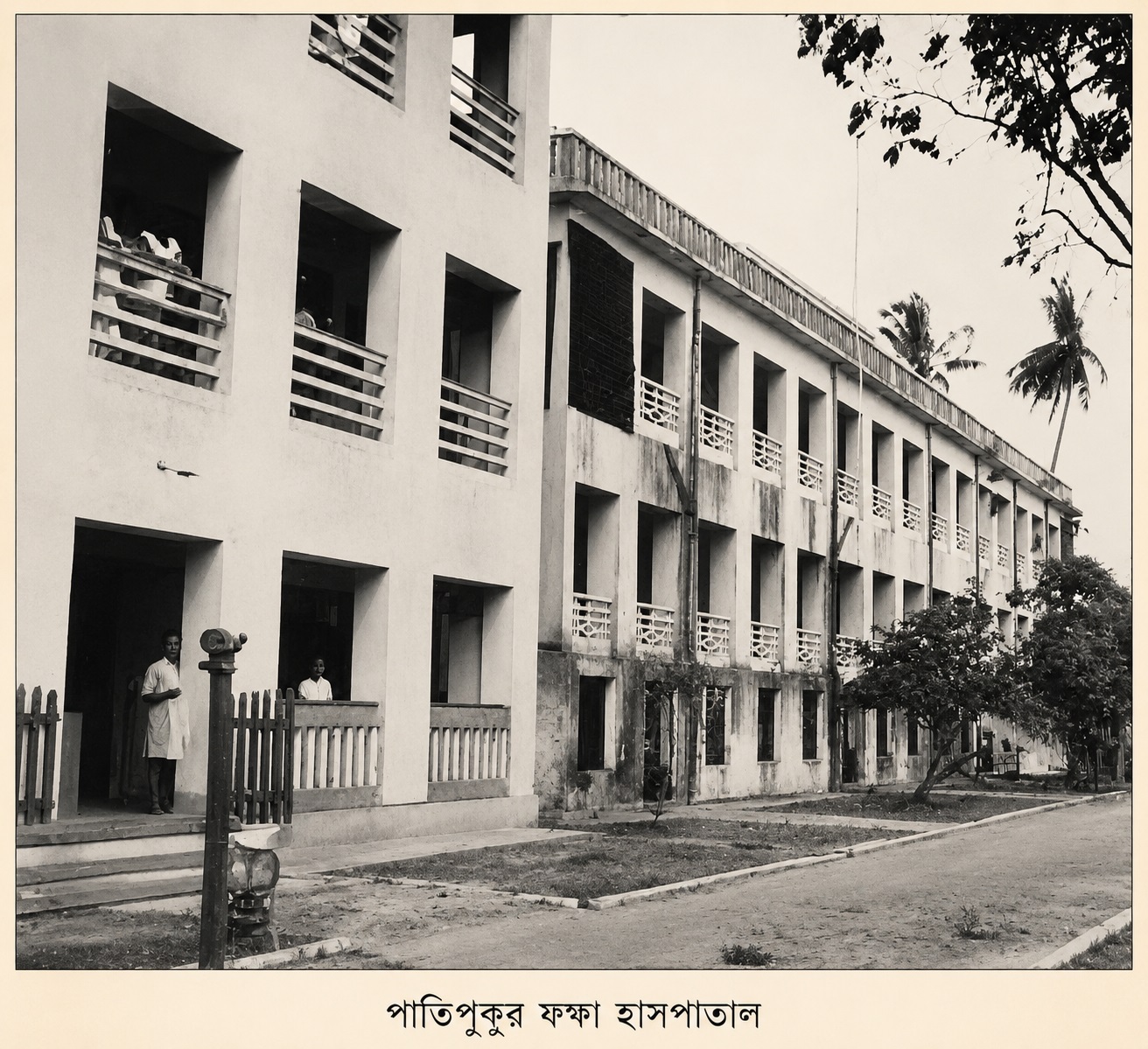
Historic view of Patipukur T.B. Hospital in Kolkata in 1964
Patipukur · 1964 A clinical branch of the institution Historic view of Patipukur T.B. Hospital, later reorganised as Patipukur Ayurvedic Hospital.
Portrait of Dr Bidhan Chandra Roy
Foundation stone Dr Bidhan Chandra Roy

Physician and statesman who laid the foundation stone of the Patipukur T.B. Hospital.

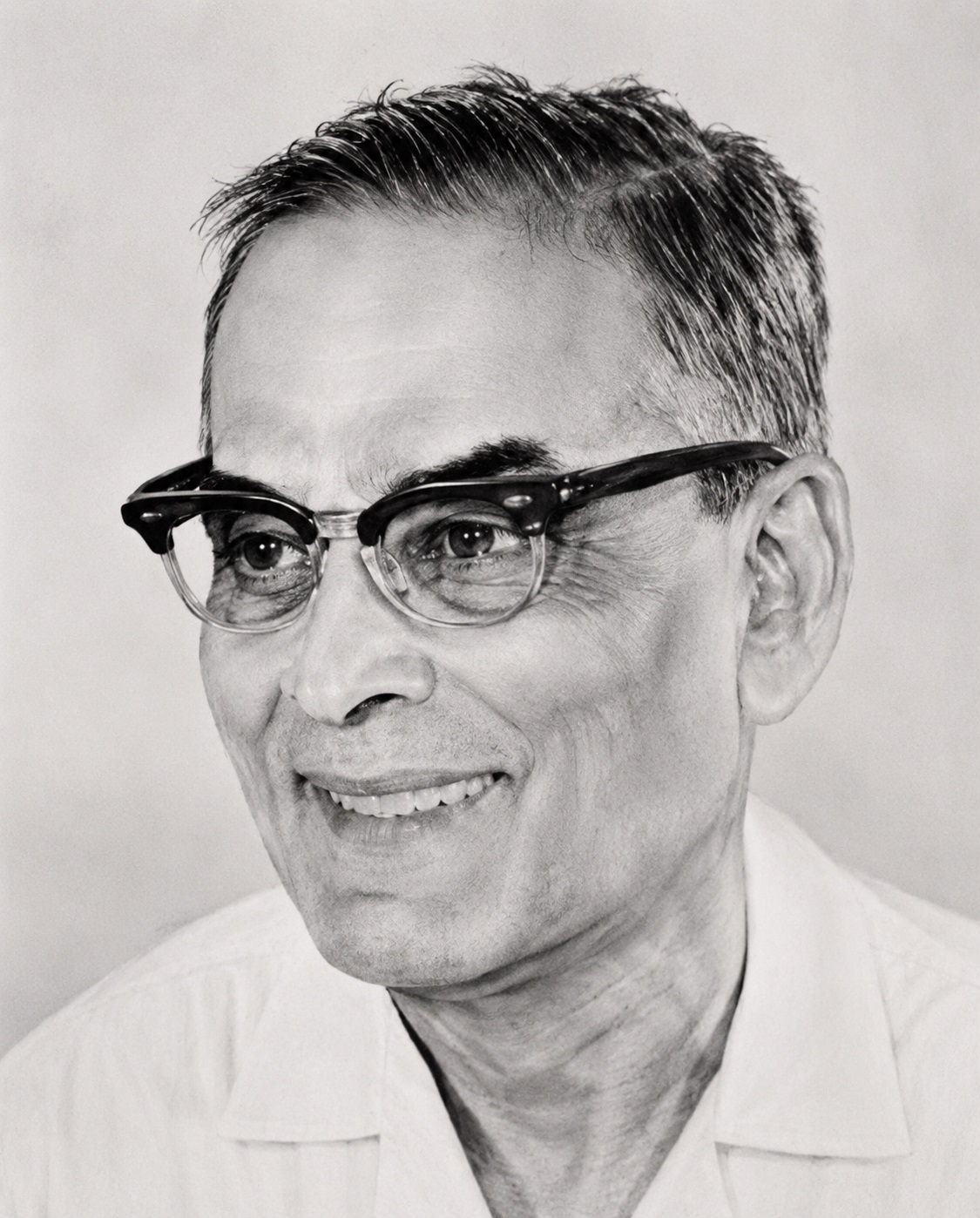
Portrait of Amar Bhushan Ray
Hospital administration Amar Bhushan Ray

Jamini Bhushan Ray's son, who later served as Superintendent of the Patipukur Tuberculosis Hospital.

Portrait of Harendra Coomar Mookerjee
1951 expansion Harendra Coomar Mookerjee

Governor of West Bengal who inaugurated the new three-storey hospital building in 1951.

Hospital expansion 1951

A larger clinical institution

The three-storey hospital building opens

The inauguration of a new three-storey building in 1951 marked a further stage in Patipukur's development. The hospital had grown from a philanthropic bequest into a substantial institutional clinical facility with its own administrative and medical history.

1933 Patipukur T.B. Hospital
1951 Expanded hospital building
Later development Patipukur Ayurvedic Hospital

Institutional continuity

Patipukur was later reorganised as Patipukur Ayurvedic Hospital and continues as an annexed clinical campus of J. B. Roy State Ayurvedic Medical College and Hospital.

94 beds

Chapter 07 · 1941–1964

From Silver Jubilee to State College

By its twenty-fifth anniversary, the institution had become an established centre of Ayurvedic education and charitable medicine. Over the next two decades, however, the scale of that achievement created a new problem: how could a privately managed charitable institution sustain an expanding college, hospital, and clinical services?

Silver Jubilee 1941 Twenty-five years

A quarter-century

Radhakrishnan presides over the Silver Jubilee

In 1941, Ashtanga Ayurveda Vidyalaya and Arogyashala celebrated twenty-five years since its founding. The Silver Jubilee celebrations were presided over by Dr Sarvepalli Radhakrishnan, then Vice-Chancellor of Banaras Hindu University.

The occasion marked how far the institution had travelled from the twelve-student college that opened at Fariapukur in 1916. It now possessed a permanent teaching hospital, an expanding clinical network, and an established place within Ayurvedic medical education.

Documentary record · 1964 booklet Sarvepalli Radhakrishnan The booklet retrospectively identifies Radhakrishnan as President of India while recalling his role in the institution's 1941 Silver Jubilee.
1941 Silver Jubilee

Growth continued under private trust management, but the cost of maintaining the college, hospitals, charitable treatment, staff, and associated services increasingly exceeded the resources available to the institution.

1964 State administration
The central problem Financial sustainability

Early 1960s

The institution had outgrown its private resources

The Jubilee Committee's 1964 editorial described financial shortage as the institution's principal difficulty. A large college and hospital required expenditure that the charitable trust could no longer adequately sustain from its own resources.

The editorial argued that an educational and medical service institution of this scale could not remain financially self-supporting while continuing its charitable mission. In its view, effective operation now required active government assistance and patronage.

The road to state administration

Negotiating institutional continuity

The transfer was not an abrupt closure of the old institution and creation of a new one. It emerged from sustained efforts over decades to place the existing college and hospitals on a more secure public foundation.

Among those associated with this process, the 1964 editorial specifically remembered the contributions of Shyama Prasad Mukherjee and Justice Charu Chandra Biswas. Biswas had already served the institution as Chairman of its Board of Trustees from 1943 to 1950 and later helped facilitate negotiations connected with the transfer to state administration.

Institutional leadership · 1943–1950 Charu Chandra Biswas Former Chairman of the institution and a prominent jurist who later helped facilitate negotiations leading to the transfer to state administration.
Policy change 1961

Ayurveda and the state

A changing institutional environment

The wider policy environment was also changing. In 1961, legislation concerning Ayurveda was passed in West Bengal, strengthening formal state recognition of the medical system. For the college, this created a more favourable setting for transition into a government-supported institution.

Government of West Bengal 1 August 1964

A new administrative era

From charitable trust to State Ayurvedic College and Hospital

With effect from 1 August 1964, the management and maintenance of Jamini Bhushan Ashtanga Ayurveda Vidyalaya and its associated hospital services, including Patipukur, passed to the Government of West Bengal.

The transition changed the institution's administrative and financial basis without ending the educational and charitable mission around which it had developed. A project founded in 1916 through private philanthropy had become a publicly administered medical institution.

Before 1964 Public charitable trust
From 1 August 1964 Government of West Bengal

21 August 1964 · Rashtrapati Bhavan

The Silver Jubilee chief guest returns as President of India

Twenty-three years after presiding over the Silver Jubilee, Sarvepalli Radhakrishnan was now President of India. On 21 August 1964, Rashtrapati Bhavan conveyed his good wishes following the institution's transition to a State Ayurvedic College and Hospital.

The two appearances form an unusual institutional bookend: Radhakrishnan witnessed the college's maturity in 1941 and, as President, acknowledged the beginning of its new public era in 1964.

1941 Silver Jubilee
1964 State College

The institution survives by changing form

What began as a privately financed educational experiment had become a public institution. The next chapter is the institution that emerged from that transition.

1964 →

Chapter 08 · 1964–Present

A living institution

State administration did not mark the end of the institution's historical story. A century after twelve students entered a rented house in north Calcutta, the college remained an active centre of Ayurvedic education, clinical service, research, and public health.

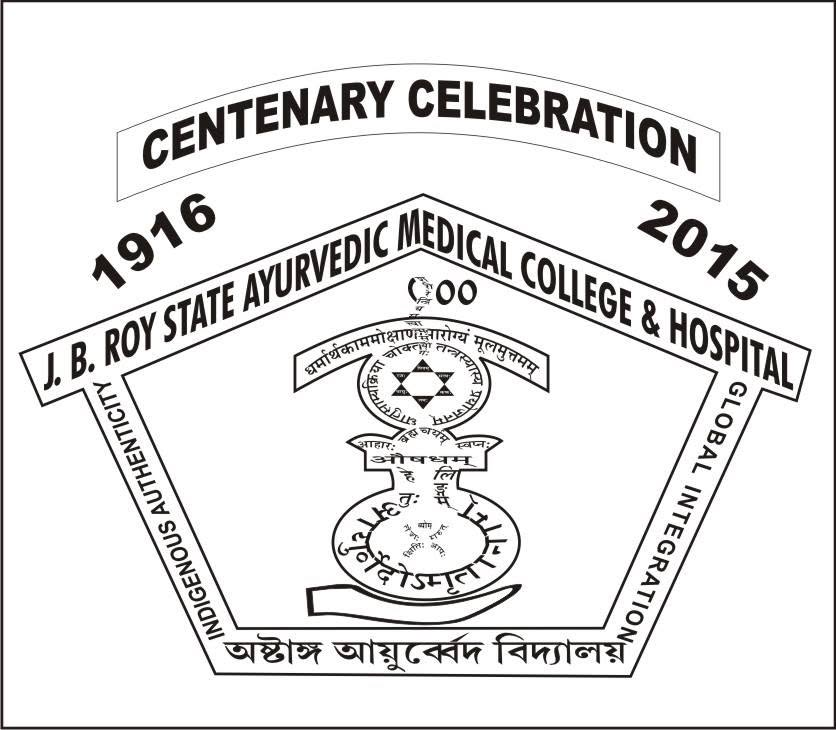
Centenary celebrations logo
Founded 1916
Centenary 2016

One hundred years

A century after Fariapukur

The institution marked its centenary through a year-long programme extending across 2015 and 2016. Activities included academic meetings, workshops, continuing medical education, health-awareness programmes, and commemorative events.

The programme culminated in February 2016 with an international seminar at Science City, Kolkata, devoted to prevention, promotion, and pacification in the Ayurvedic landscape.

The official centenary brochure consciously connected the modern State Ayurvedic Medical College and Hospital with the institution established by Jamini Bhushan Ray in 1916 and with the permanent campus whose foundation stone Mahatma Gandhi laid in 1925.

Official centenary brochure Centenary programme and international seminar Programme information, centenary activities, seminar topics, speakers, and institutional announcement.
Institutional memory A centenary tribute to Jamini Bhushan Ray The reverse includes a biographical tribute to the founder alongside an image of the Raja Dinendra Street campus.
1916 12 students 3 teachers

The educational experiment that began with a deliberately small intake developed into a government medical college with specialist departments, clinical training, a structured degree programme, research activity, and hospital services.

Present 14 departments Specialist academic structure
60 Sanctioned annual B.A.M.S. intake
14 Academic departments
≈30 Teaching staff
≈60 Non-teaching staff
4½ + 1 Academic years + compulsory internship

The academic institution

From specialist faculty to fourteen departments

The formative principle of organised instruction through specialist teachers remains visible in the structure of the modern college. Its departments encompass classical foundations, biomedical subjects, diagnosis, therapeutics, public health, and clinical specialties.

01

Foundations

Sanskrit, Samhita & Siddhanta
Ayurvedic Classics, Sanskrit & Basic Principles
Rachana Sharir
Anatomy
Kriya Sharir
Physiology
02

Materia Medica & Diagnostics

Dravya Guna Vijnana
Materia Medica & Pharmacology
Rasa Shastra & Bhaishajya Kalpana
Ayurvedic Pharmaceutics & Clinical Pharmacy
Roga Nidan & Vikriti Vijnana
Pathology & Clinical Diagnosis
03

Prevention & Therapeutics

Agada Tantra
Clinical Toxicology & Medical Jurisprudence
Swasthavritta & Yoga
Preventive Medicine, Public Health & Yoga
Kayachikitsa
Internal Medicine
Panchakarma
Therapeutic Procedures & Bio-purification
04

Clinical Specialties

Shalya Tantra
Surgery
Shalakya Tantra
Ophthalmology, ENT & Diseases of the Head and Neck
Prasuti Tantra & Stri Roga
Obstetrics & Gynecology
Kaumarabhritya (Bala Roga)
Pediatrics

Research & public health

Clinical questions continue beyond the classroom

Modern activity at the college has included clinical investigation, externally supported research, public-health work, and continued development of Ayurvedic clinical infrastructure.

1933 Patipukur T.B. Hospital
2012 Published tuberculosis research

A recurring clinical theme

Tuberculosis across generations

A 2012 study in the Journal of Ayurveda and Integrative Medicine investigated adjunct Ayurvedic therapy alongside anti-tubercular drugs in pulmonary tuberculosis and included researchers affiliated with J. B. Roy State Ayurvedic Medical College and Hospital.

Research

Externally supported clinical investigation

Institutional records describe completed clinical projects supported by agencies including the Department of Science and Technology, Government of West Bengal, alongside additional externally funded research.

2016

Clinical infrastructure continues to develop

During the centenary period, plans reported by the Government of West Bengal included a dedicated Panchakarma hospital and improvements to facilities at Patipukur Ayurvedic Hospital.

1916 Ashtanga Ayurveda Vidyalaya Private philanthropic foundation
1964 State Ayurvedic College & Hospital Government administration
2016 Centenary One hundred years
Present J. B. Roy State Ayurvedic Medical College & Hospital A living educational and clinical institution
1916 → Present

Institutional legacy

The experiment became an institution.
Archival document
100%